home
about
works
playground
Onewill Academy
Overview
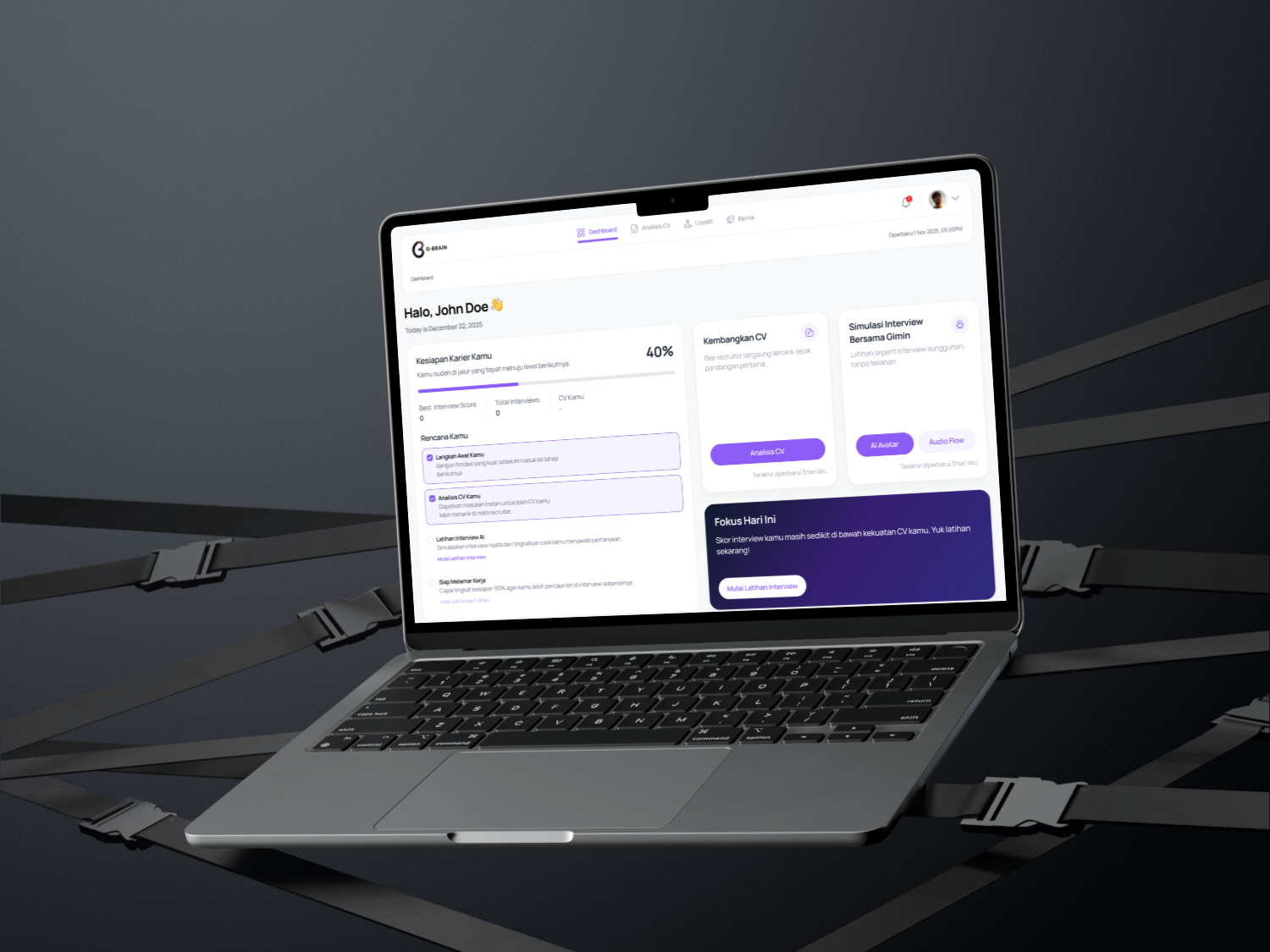
G-Brain is a career guidance platform aimed at fresh graduates and professionals looking to switch fields, people who have the ambition but need a clearer map. The dashboard was already collecting meaningful data, but the design wasn't translating it into action.
about the project.
The Problem
G-Brain's dashboard was presenting users with information but giving them no direction. Fresh graduates and career-switchers, people already facing uncertainty about their professional futures would open the dashboard, see data about their career path, and freeze. There was no clear next step. No signal telling them what to do with what they were looking at. The data existed, but without a clear call-to-action, it created paralysis rather than progress.
Objectives
- Translate complex career data into a language accessible to non-technical users who are new to navigating professional pathways
- Redesign the layout to guide users through a logical flow, from understanding where they are to knowing what to do next
- Introduce clear, contextual CTAs that surface at every meaningful data point, removing ambiguity from the user journey
- Build in visible progress tracking so users can see their momentum and stay motivated through the career transition process
outcome.
Design
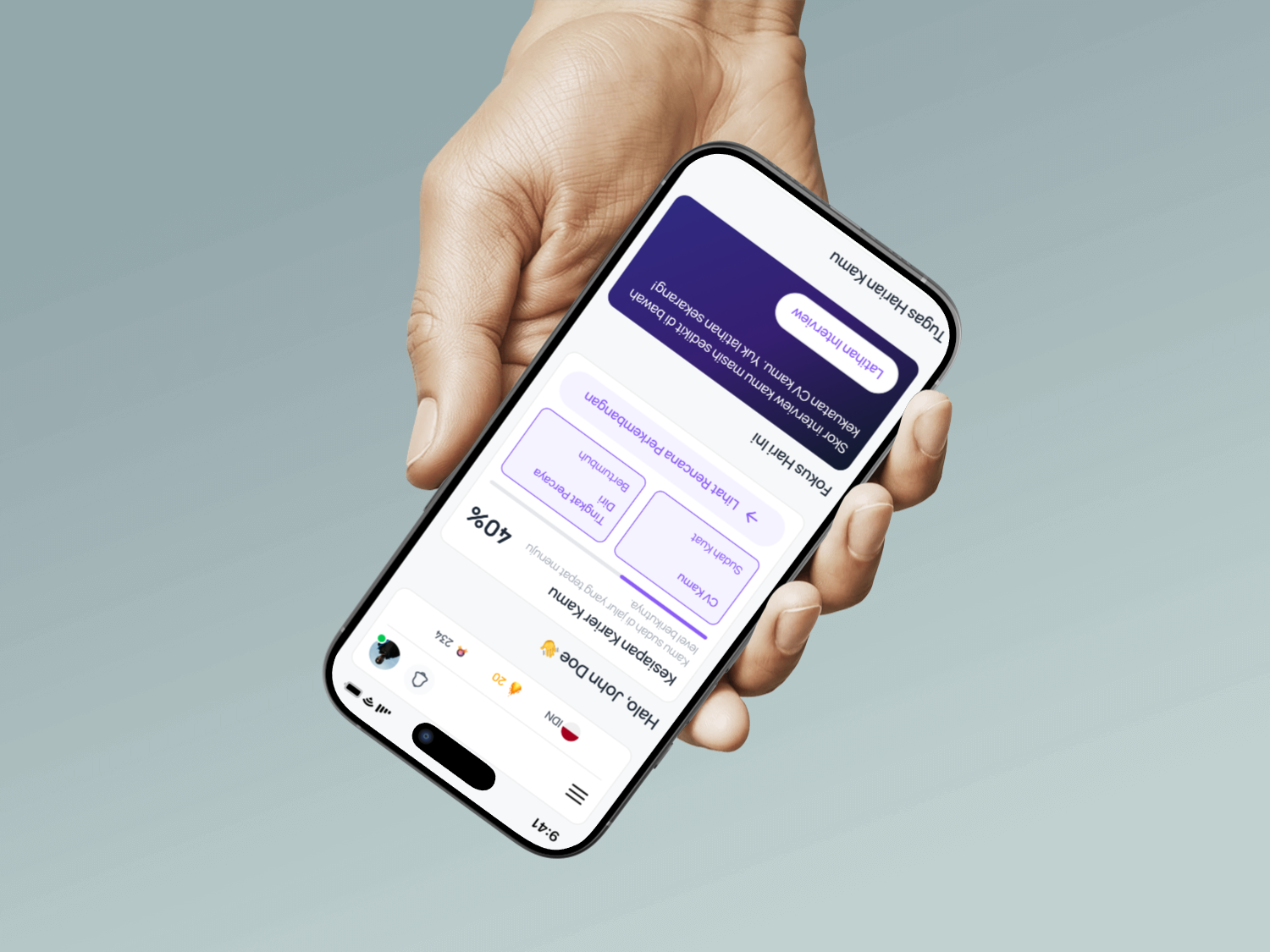
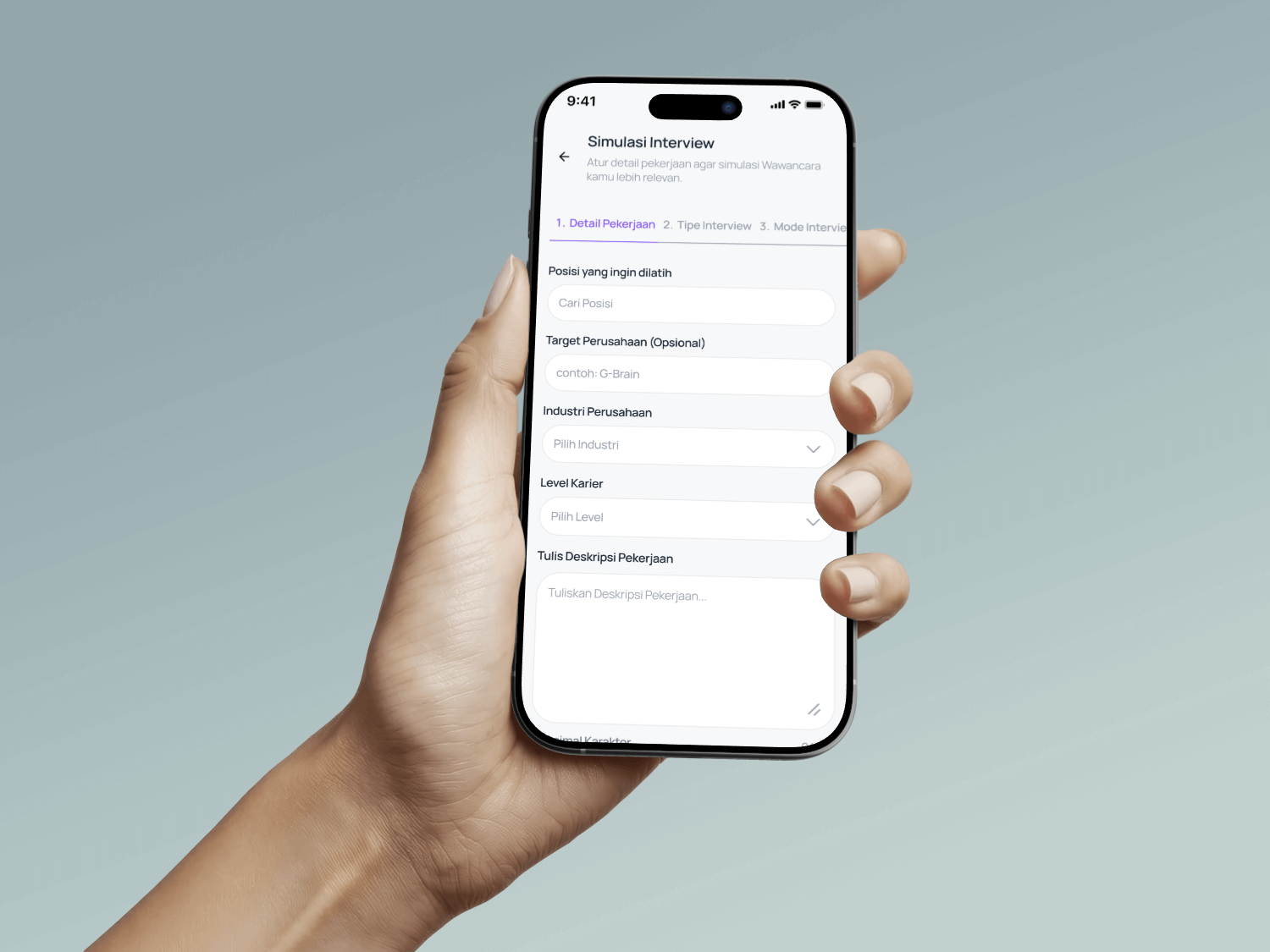
The redesigned dashboard turned passive data consumption into active career navigation. A simplified layout guides users through a clear, step-by-step flow — each section answers a question and closes with a concrete next action. Progress tracking was introduced as a first-class feature, giving users a visible sense of movement toward their goals. The result is a dashboard that doesn't just show users where they stand — it tells them where to go next.
home
about
works
playground
lets collaborate
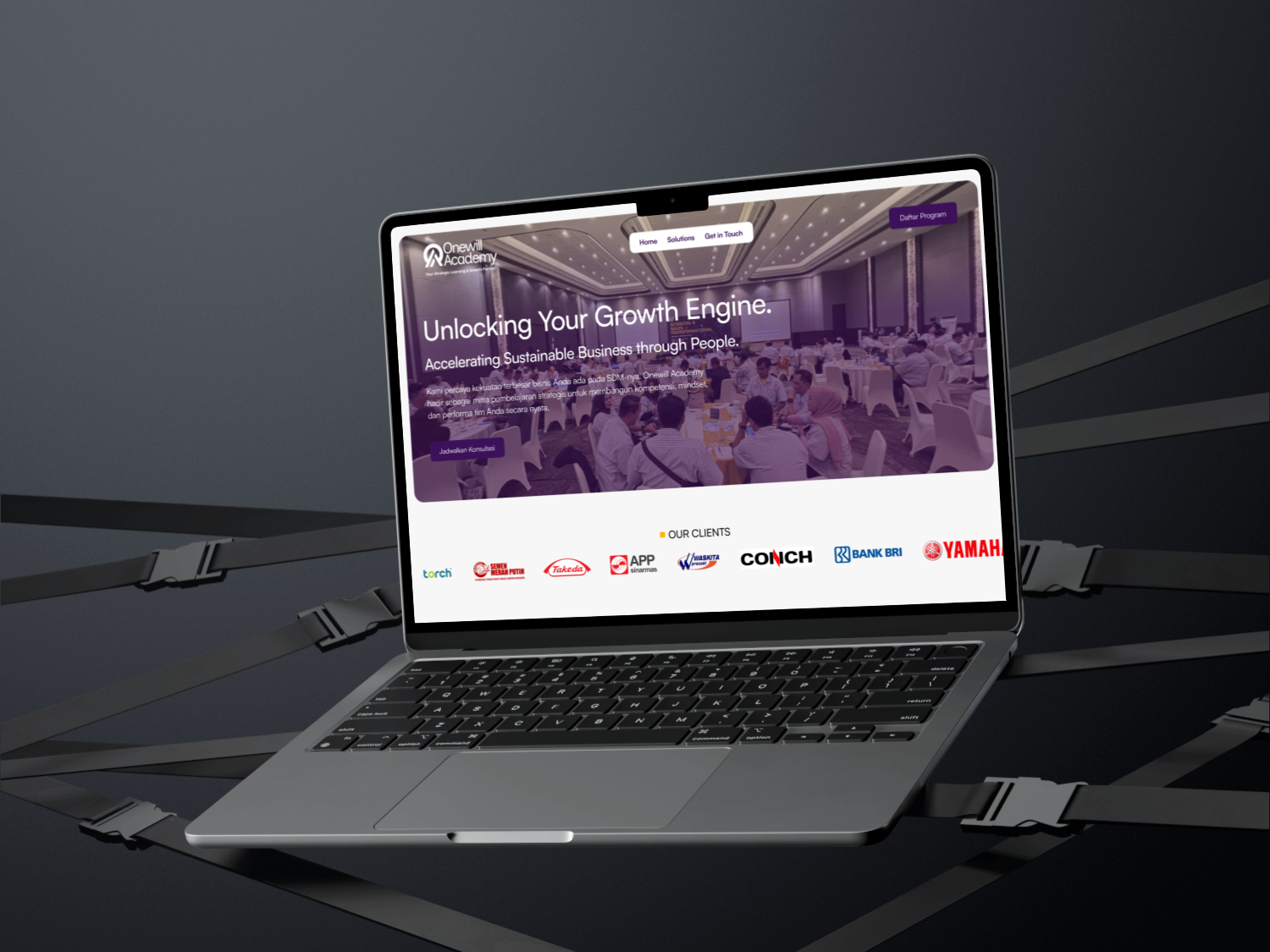
Onewill Academy
Overview
G-Brain is a career guidance platform aimed at fresh graduates and professionals looking to switch fields, people who have the ambition but need a clearer map. The dashboard was already collecting meaningful data, but the design wasn't translating it into action.
about the project.
The Problem
G-Brain's dashboard was presenting users with information but giving them no direction. Fresh graduates and career-switchers, people already facing uncertainty about their professional futures would open the dashboard, see data about their career path, and freeze. There was no clear next step. No signal telling them what to do with what they were looking at. The data existed, but without a clear call-to-action, it created paralysis rather than progress.
Objective
- Translate complex career data into a language accessible to non-technical users who are new to navigating professional pathways
- Redesign the layout to guide users through a logical flow, from understanding where they are to knowing what to do next
- Introduce clear, contextual CTAs that surface at every meaningful data point, removing ambiguity from the user journey
- Build in visible progress tracking so users can see their momentum and stay motivated through the career transition process
outcome.
Design
The redesigned dashboard turned passive data consumption into active career navigation. A simplified layout guides users through a clear, step-by-step flow — each section answers a question and closes with a concrete next action. Progress tracking was introduced as a first-class feature, giving users a visible sense of movement toward their goals. The result is a dashboard that doesn't just show users where they stand — it tells them where to go next.
home
about
works
playground
lets collaborate
Onewill Academy
Overview
G-Brain is a career guidance platform aimed at fresh graduates and professionals looking to switch fields, people who have the ambition but need a clearer map. The dashboard was already collecting meaningful data, but the design wasn't translating it into action.
about the project.
The Problem
G-Brain's dashboard was presenting users with information but giving them no direction. Fresh graduates and career-switchers, people already facing uncertainty about their professional futures would open the dashboard, see data about their career path, and freeze. There was no clear next step. No signal telling them what to do with what they were looking at. The data existed, but without a clear call-to-action, it created paralysis rather than progress.
Objectives
- Translate complex career data into a language accessible to non-technical users who are new to navigating professional pathways
- Redesign the layout to guide users through a logical flow, from understanding where they are to knowing what to do next
- Introduce clear, contextual CTAs that surface at every meaningful data point, removing ambiguity from the user journey
- Build in visible progress tracking so users can see their momentum and stay motivated through the career transition process
outcome.
Design
The redesigned dashboard turned passive data consumption into active career navigation. A simplified layout guides users through a clear, step-by-step flow — each section answers a question and closes with a concrete next action. Progress tracking was introduced as a first-class feature, giving users a visible sense of movement toward their goals. The result is a dashboard that doesn't just show users where they stand — it tells them where to go next.